
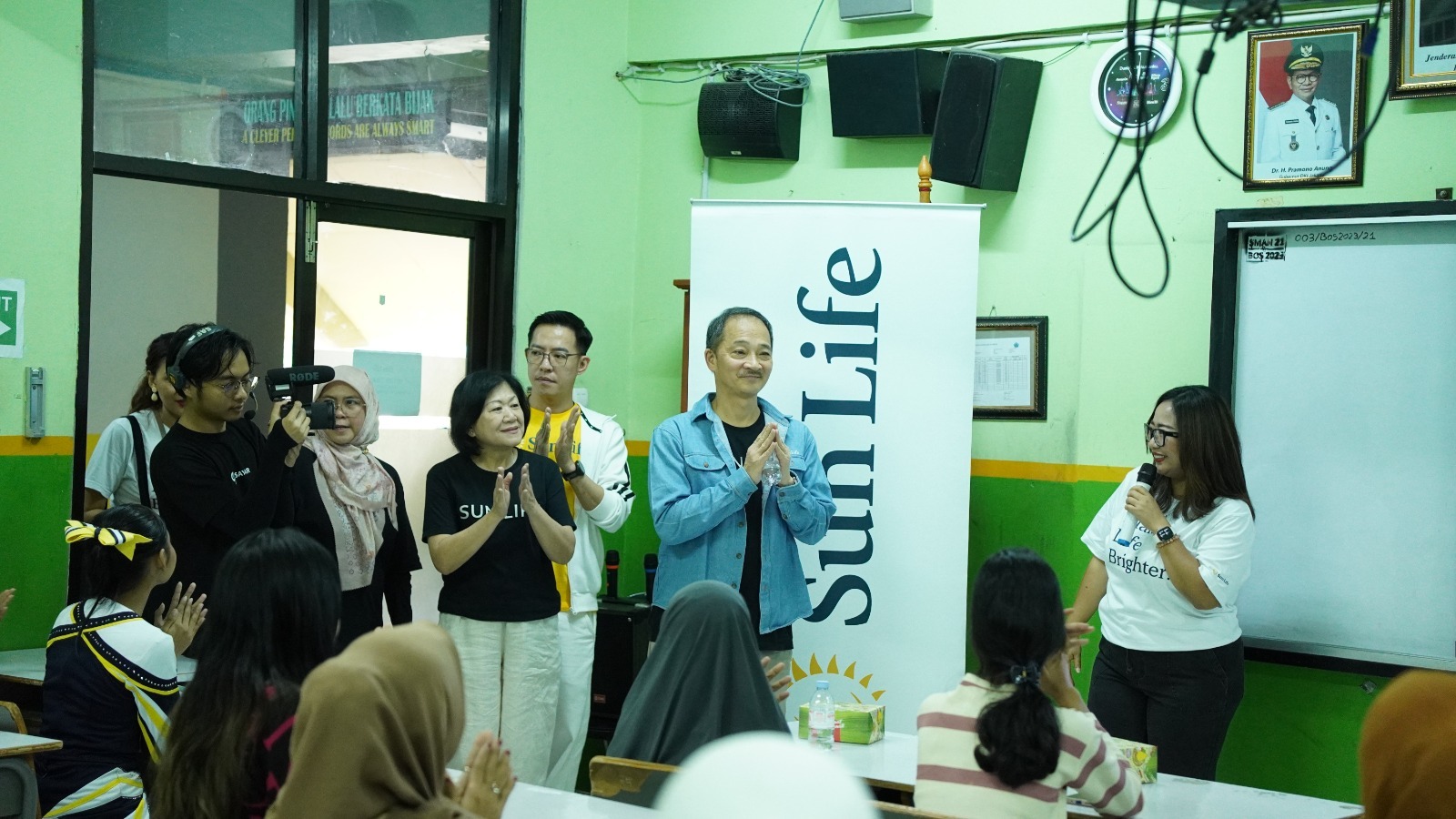
JakartaHits.id — Indonesian parents can build their children’s understanding of money and financial responsibility through age-appropriate lessons, from managing pocket money in primary school to discussing investments and family assets in young adulthood, according to guidance from Sun Life Indonesia dated Thursday, October 15, 2026.
The guidance draws on findings from the Sun Life Asia 2026 study, Passing on a Legacy: When Inheritance Is More Than Wealth, which surveyed 506 respondents in Indonesia. Education opportunities and wealth each ranked among the top three legacy priorities for 65% of respondents, while family traditions were selected by 47%.
The findings highlight how families can prepare younger generations for future financial responsibilities before assets are formally transferred. Albertus Wiroyo, president director of Sun Life Indonesia, is identified as the spokesperson in the release.
Sun Life outlines five approaches to teaching children about financial responsibility at different stages of their lives.
1. Primary school age: Introduce basic financial choices
Parents can use pocket money to teach children how to divide funds among spending, saving, and sharing. Rather than simply telling children not to spend excessively, parents can explain how financial choices have consequences and how money can serve different purposes.
2. Approaching adolescence: Set savings goals
As children develop more expensive interests, parents can encourage them to establish savings targets and timelines. Goals such as buying books, educational devices, participating in activities, or funding experiences can make financial planning more tangible.
3. Teenage years: Share family financial experiences
Teenagers can begin to understand how a family’s financial circumstances develop over time. Parents can discuss how the family navigated difficult periods, corrected past decisions, or built businesses and careers.
These experiences can help illustrate the importance of hard work, caution, and responsibility in managing money.
4. Approaching adulthood: Explain financial risks and fundamentals
As children begin to understand income, education costs, and career planning, families can introduce concepts such as cash flow, emergency funds, savings, and investments aligned with financial goals and risk tolerance.
Parents can also discuss appropriate financial protection. The focus, according to the guidance, is not on promoting a particular financial product but on helping young adults understand that financial plans must account for changing circumstances.
5. Young adulthood: Include children in family financial discussions
When children begin earning an income or taking on financial responsibilities, family discussions can expand to careers, investments, family assets, and responsibilities between generations.
Sun Life recommends gradually involving young adults in these conversations so they can understand the context behind family decisions before potentially assuming greater responsibilities. Not every financial detail needs to be disclosed at once.
The guidance frames legacy planning as an ongoing process rather than a single conversation about inheritance. While property, money, and businesses can be transferred at a particular point in time, financial habits and an understanding of responsibility develop through everyday experiences.
The study involved 506 respondents in Indonesia. Sun Life noted that some findings were based on specific respondent groups, as detailed in the study’s methodology. (*)