US Technology Giant Meta Acknowledges System Error That Blocked WhatsApp Accounts in Indonesia After Meeting with Jakarta Digital Ministry
JakartaHits.id — Meta Platforms Inc., the U.S. technology company that owns WhatsApp, acknowledged on Wednesday, August 26, 2026, that a system error had wrongly blocked a number of WhatsApp accounts belonging to users in Indonesia, following pressure from the country’s communications regulator to explain the outage.
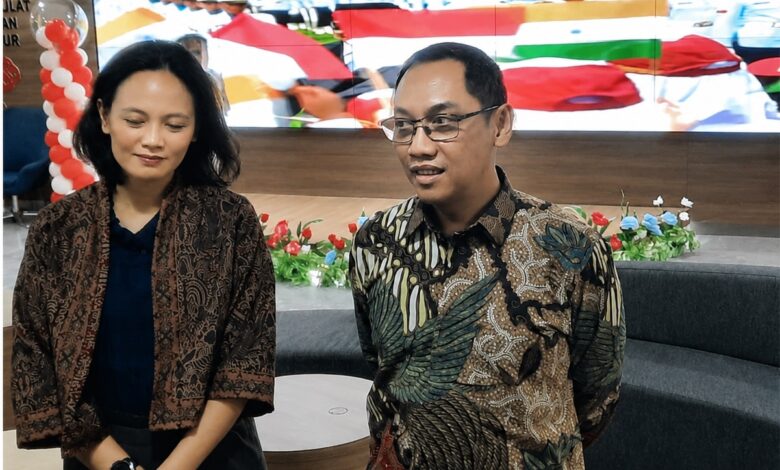
The acknowledgment came after Esther Samboh, Head of Public Policy for WhatsApp and Messenger in the Asia-Pacific region at Meta, met in Jakarta with Alexander Sabar, Director General of Digital Space Oversight at Indonesia’s Ministry of Communication and Digital Affairs, an agency known locally as Komdigi.
Komdigi called the meeting after receiving a wave of public complaints from Indonesian users whose WhatsApp accounts were deactivated without warning. The ministry, which oversees digital platforms operating in Indonesia, sent a formal letter to Meta on Friday, August 14, 2026, requesting a written explanation for the disruptions.
Meta did not respond immediately, and Komdigi later set a deadline of Monday, August 24, 2026, before summoning company representatives to its Jakarta office. “It has been about a week since we sent our first letter to Meta to request an explanation regarding the large number of complaints about deactivated accounts,” Sabar said.
Samboh told officials that WhatsApp relies on a set of automated signals to detect behavior that violates the platform’s terms of service, a mechanism designed to prevent abuse and protect users. She said the enforcement process malfunctioned, mistakenly sweeping up accounts that had not violated any rules. “In the process of flagging these bad-faith accounts, our system made an error,” Samboh said.
Samboh apologized to affected users and said WhatsApp had moved quickly to mitigate the error and restore access to wrongly blocked accounts. She said the company recognized how widely the app is used across Indonesia for daily communication, and that a remediation process was already in place. “We are very aware that WhatsApp is used extensively by the Indonesian public in their daily lives, which is why we also provide a remediation process, allowing users to file an appeal directly within the app,” she said.
Users who remain locked out of their accounts can submit an appeal directly through the app, Samboh said, adding that WhatsApp aims to review each case in less than 24 hours. “For users who are still affected, they can immediately file an appeal within the app, and that process will be reviewed by WhatsApp in less than 24 hours,” she said.
Samboh said the disruption was not the result of any coordinated action against Indonesian users specifically, describing it instead as a global technical failure. “This happened globally, so there was no coordinated effort targeting Indonesia specifically. This was a system error that occurred globally, and there was no attempt to target Indonesia here,” she said.
Separately, Sabar was asked about reports that an account belonging to a leader of a political party represented in Indonesia’s House of Representatives, known as the DPR, had been hacked or blocked. He said the ministry could not confirm the claim. “As a regulator, we do not know about that,” Sabar said.
The episode adds to growing scrutiny of foreign technology platforms operating in Indonesia, as Komdigi has pressed companies including Meta to respond more directly to complaints about account security and service outages affecting the country’s WhatsApp user base.